At a board meeting, a trustee raises a concern. The majority agrees on a way forward, so the discussion moves on. But has the board properly considered the concern or simply allowed it to be outvoted?
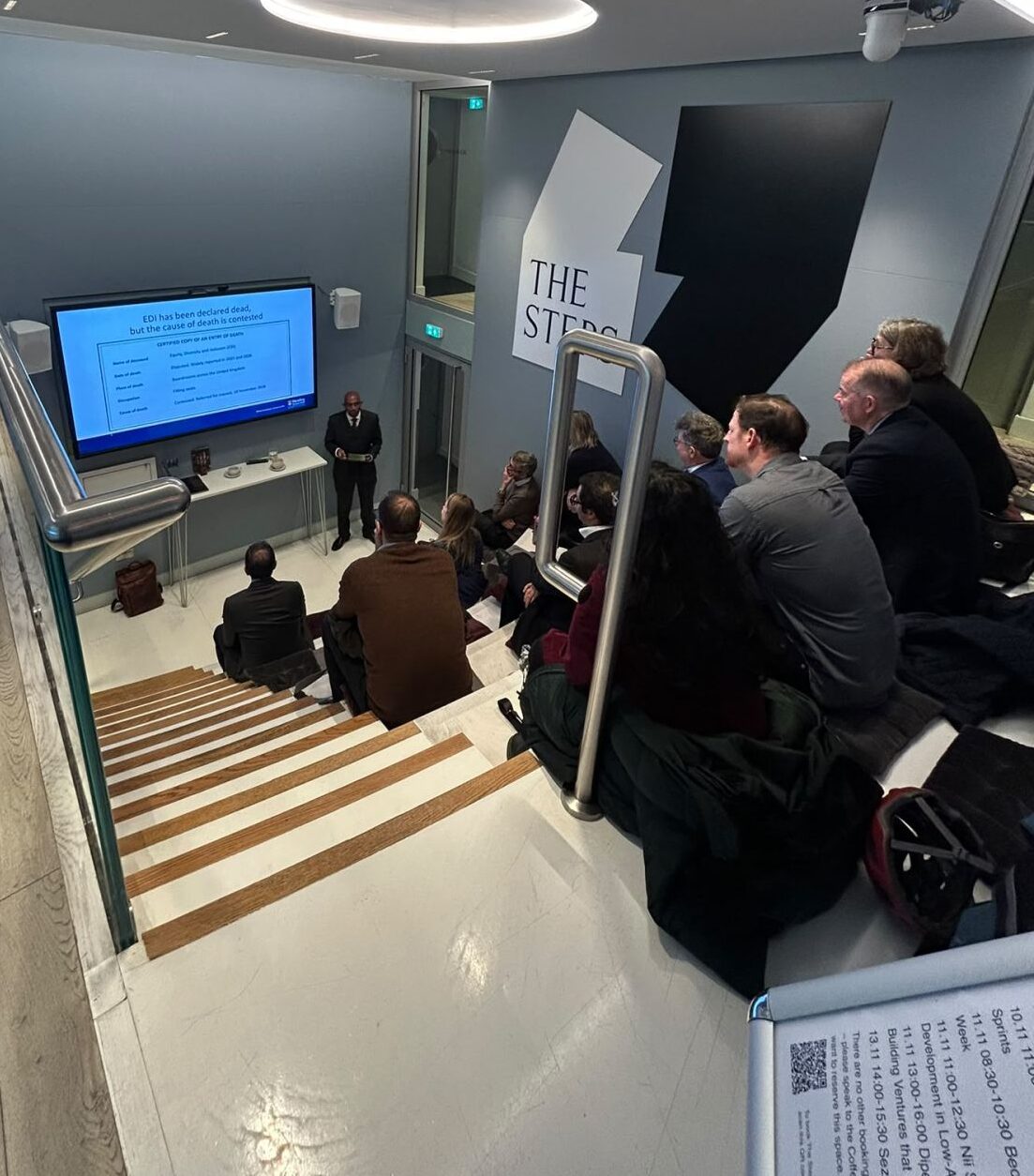
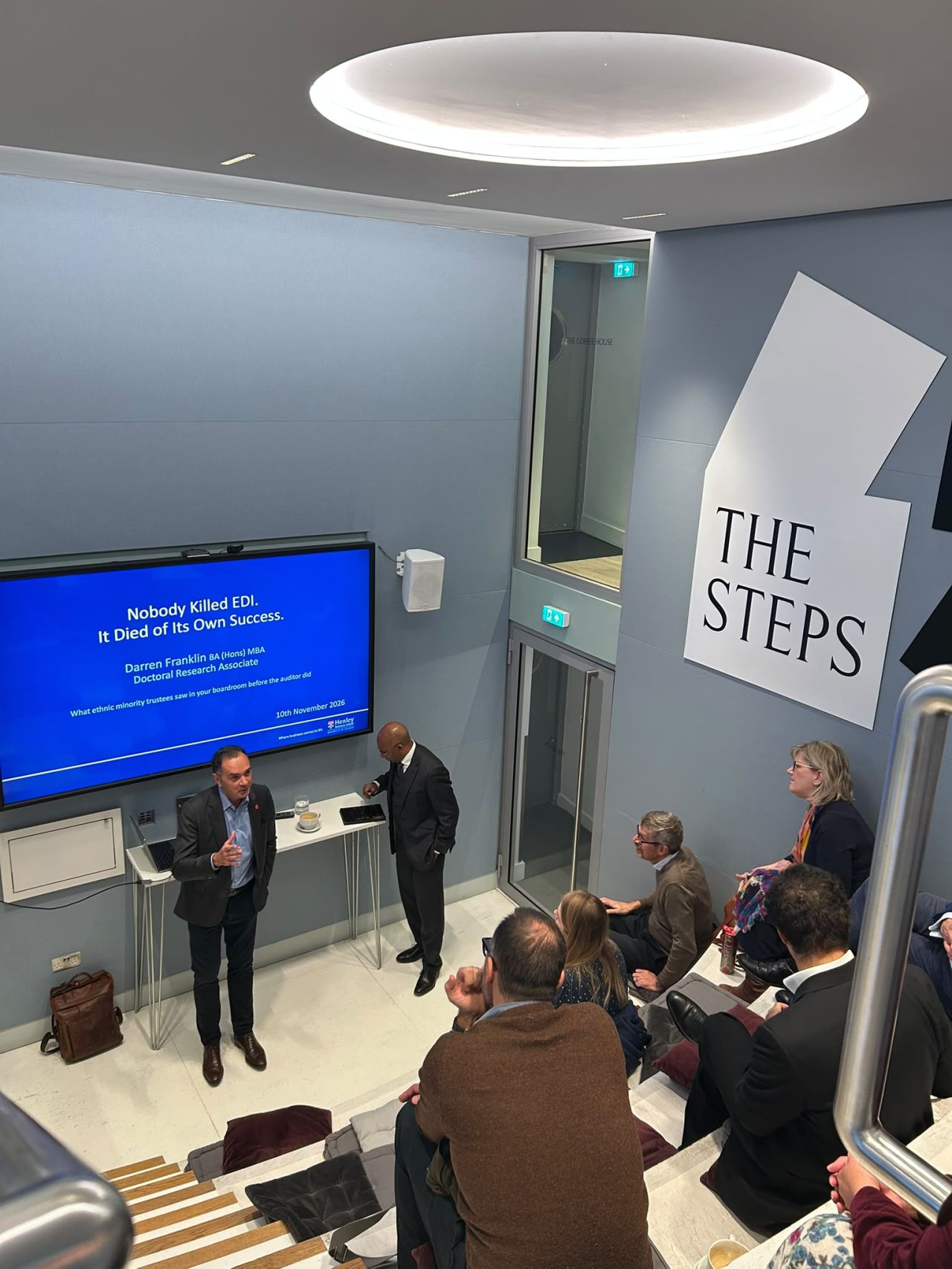
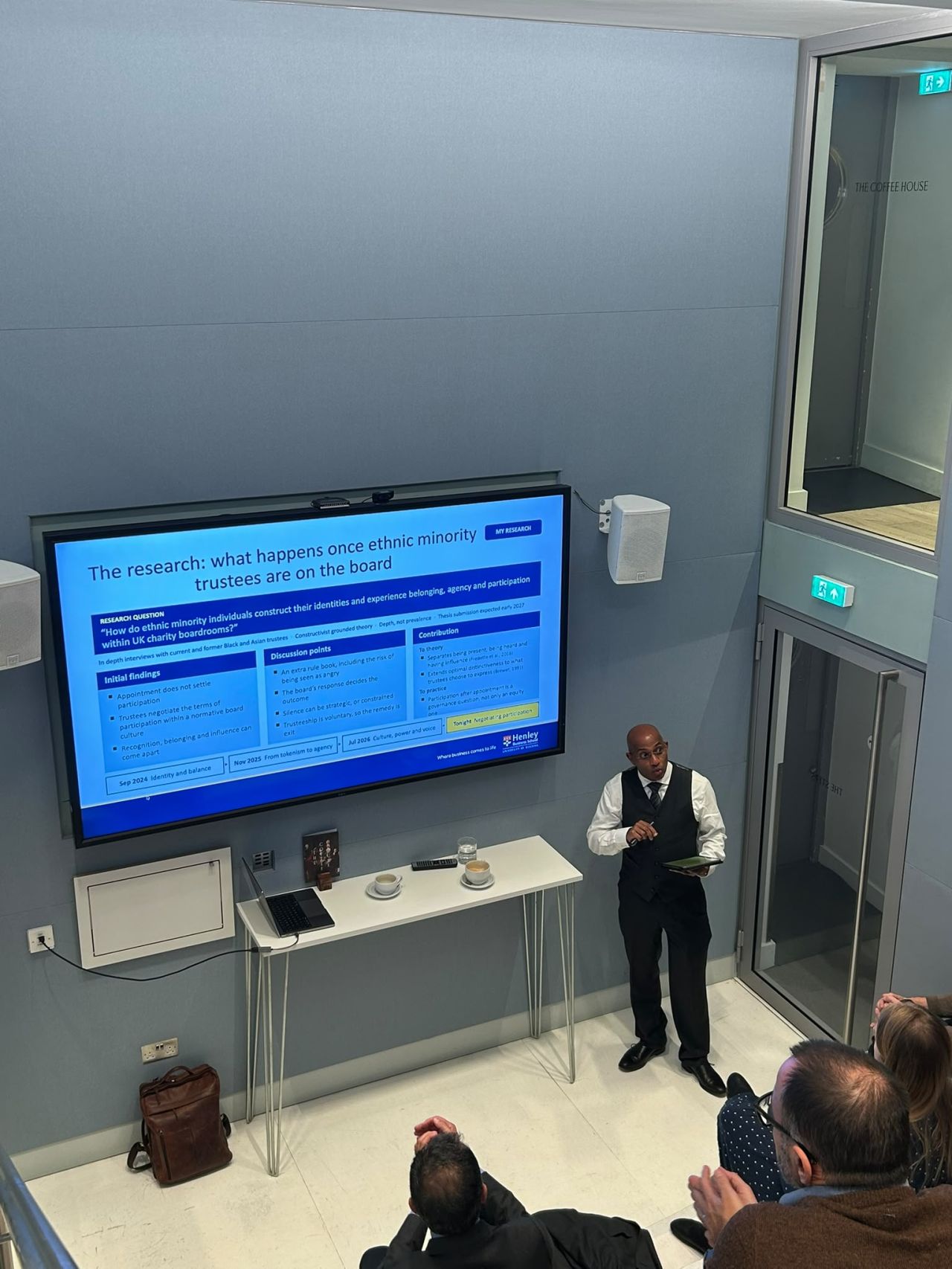
This question was at the heart of Trustees Unlimited’s Trustees’ Week session, Nobody Killed EDI. It Died of Its Own Success., led by Darren Franklin.
Thank you to everyone who joined us, and to Darren for sharing his research and prompting an important discussion about equality, diversity and inclusion (EDI) in charity governance.
Representation is only part of the picture
A board may bring together people with different backgrounds and experiences. But representation alone does not guarantee that everyone can contribute fully.
The discussion explored the difference between counting who is in the room and valuing what they have to say. A board cannot benefit from its members’ skills, knowledge and perspectives if some voices are overlooked, concerns are dismissed as difficult, or decisions are treated as sound simply because most people agree.
For charity boards, inclusion is part of good governance. Trustees need to be able to question, challenge and contribute in ways that support the organisation’s purpose and the people it serves.
The Chair helps shape board culture
The Chair has an important role in creating the conditions for thoughtful discussion. This can mean making space for quieter trustees, listening with humility and helping the board explore the questions behind a challenge before moving on.
It also means paying attention to how decisions are reached. A majority view may be the outcome, but boards should still consider whether different perspectives have been heard and whether concerns have been properly examined.
Every trustee should have the opportunity to contribute their skills and experience, feel heard, and understand how their input can support the organisation and its beneficiaries.
Inclusion is part of effective governance
Good governance depends on more than policies and procedures. It is also shaped by board culture and the everyday choices boards make about whose contributions they value.
Our session left us with a question for every board to consider:
Whose voices are being heard, and whose contributions are being valued?
Thank you again to Darren Franklin and everyone who took part in this thought-provoking Trustees’ Week discussion.